Mac Code Reader For Caterpiller 3126
Caterpillar C15s are six-cylinder, in-line, heavy-duty engines for fire engines, buses, trucks and heavy equipment. The engine has a displacement of 928 cubic inches, weighs 3,090 pounds, and generates up to 625 horsepower and 2,000 foot pounds of torque. The C15 is electronically controlled to meet federal pollution requirements. This electronic engine technology, called Advanced Combustion Emission Reduction Technology, or ACERT, controls most engine functions with computer processors. This computer control also allows the engine to sense possible problems and report them to the operator using 19 two-digit “flash” codes.
Mac Code Reader For Caterpillar 3126 Turbo
The CAT 538 5051 CAT Caterpillar Communication Adapter 3 III Kit This is the newest communication device provided by CAT and the datalink device that will allow you to properly communicate with a CAT engine on dual datalinks. The diagnostic code information for Caterpillar machines that are equipped with Caterpillar electronic controls. Component identifiers, failure mode identifiers, and module identifiers are pieces of information that assist service personnel in diagnosing system problems of the machine. 255 occurrences of any Diagnostic Code is the maximum quantity the ECM can store, although the hour meter reading for the first and last occurrence of the Code will still be correct even if it logs 10,000 occurrences of the Code.
Step 1
Learn to recognize and interpret flash codes when they appear. The diagnostic lamp is in the middle of the tachometer. Write down codes as they appear using a pencil and paper.
Step 2
Interpret flash codes as a two digit number portrayed by two series of flashes separated by a pause. Diagnostic code 27, for example, will appear to the operator as two flashes, followed by a pause and completed with seven flashes. Code “72” will be seven flashes, a pause, then two more flashes.
Step 3
Read flash codes “13” and “21” as fuel temperature sensor shorts. Flash code “24” indicates an oil pressure problem.
Step 4
Interpret flash codes “25” and “26” as atmospheric or turbo pressure problems. Code “27” indicates an engine coolant problem, and codes “28” and “32” alert the operator that the electronic control module is having a problem reading the throttle position.
Step 5
Recognize code “34” as a timing sensor problem, “37” as a fuel pressure problem, and “38” means there is something wrong with either the air intake manifold temperature or that sensor. Code “42” means your engine is out of tune and mistimed. Codes “53,” “56” and “58” mean that there is a problem with your electronic control module that may originate either with the module itself or how it was programmed.
Pay particular attention to codes “72,” “73” and “74,” because they report cylinder injector failures and mean that you are running on only five cylinders instead of six.
- Jupiterimages/Photos.com/Getty Images
More Articles
Caterpillar C15s are six-cylinder, in-line, heavy-duty engines for fire engines, buses, trucks and heavy equipment. The engine has a displacement of 928 cubic inches, weighs 3,090 pounds, and generates up to 625 horsepower and 2,000 foot pounds of torque. The C15 is electronically controlled to meet federal pollution requirements. This electronic engine technology, called Advanced Combustion Emission Reduction Technology, or ACERT, controls most engine functions with computer processors. This computer control also allows the engine to sense possible problems and report them to the operator using 19 two-digit “flash” codes.
Step 1
Learn to recognize and interpret flash codes when they appear. The diagnostic lamp is in the middle of the tachometer. Write down codes as they appear using a pencil and paper.
Step 2
Interpret flash codes as a two digit number portrayed by two series of flashes separated by a pause. Diagnostic code 27, for example, will appear to the operator as two flashes, followed by a pause and completed with seven flashes. Code “72” will be seven flashes, a pause, then two more flashes.
Step 3
Mac Code Reader For Caterpillar 3126 Specs
Read flash codes “13” and “21” as fuel temperature sensor shorts. Flash code “24” indicates an oil pressure problem.
Step 4
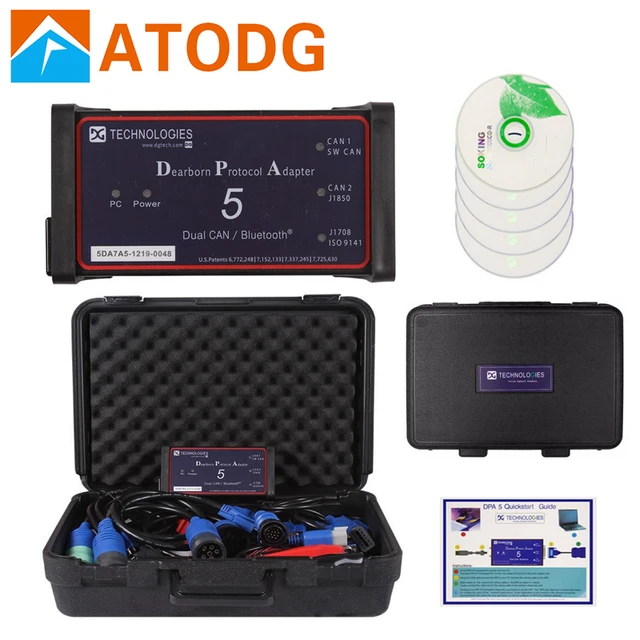
Caterpillar 3126 Engine Specs
Interpret flash codes “25” and “26” as atmospheric or turbo pressure problems. Code “27” indicates an engine coolant problem, and codes “28” and “32” alert the operator that the electronic control module is having a problem reading the throttle position.
Step 5
Recognize code “34” as a timing sensor problem, “37” as a fuel pressure problem, and “38” means there is something wrong with either the air intake manifold temperature or that sensor. Code “42” means your engine is out of tune and mistimed. Codes “53,” “56” and “58” mean that there is a problem with your electronic control module that may originate either with the module itself or how it was programmed.
Pay particular attention to codes “72,” “73” and “74,” because they report cylinder injector failures and mean that you are running on only five cylinders instead of six.
- Jupiterimages/Photos.com/Getty Images