Yuzu Reader For Mac
New e-reading converts might be surprised to find out that despite the fact that e-books can be read on computers, there's no real way to print out a page for reference. In the olden days, you could just put a paperback facedown on a copier, but with e-books, it's a little trickier.
DownloadBookshelf 8 Mac DownloadBookshelf 8 Beta Win DownloadBookshelf 7.6.1 Win Release Notes VitalSource Bookshelf® is the most. Free download Yuzu eTextbooks and Digital Education Content for Windows 10. Yuzu® Makes Learning Easier Enjoy Your Journey Yuzu is a learning platform from Barnes & Noble College that lets you read and interact with digital content; enhancing the everyday learning experience.
Just in time for school bells and syllabi, here are some go-to ways for printing out pages from an e-book.
Remember, though, that policies for the many book publishers vary, so review those policies and move forward at your own risk. Distributing copyrighted material without authorization is illegal in the United States and many other countries. CBS Interactive does not encourage or condone the illegal duplication or distribution of copyrighted content. Before copying or distributing any e-book content, make sure you have the legal right to do so.

With that in mind, watch the video tutorial and follow the steps below to find out how to print pages from an e-book.
The (almost) universal method
If your e-reader offers a Web or desktop reader, like Amazon, Kobo, Sony, and Barnes & Noble, this option is for you.
- Head to your e-reader's Web site, like Barnes & Noble or Amazon. From there, launch the Web reader or desktop reader software. Amazon and Barnes & Noble, for example, have both of these options. For this tutorial we'll use the Nook for Web reader.
- Open a book and find the page you want to print.
- Resize the browser (or desktop) window so that it matches the aspect ratio of an 8.5' x 11' piece of paper. It doesn't have to be exact; just eyeball it.
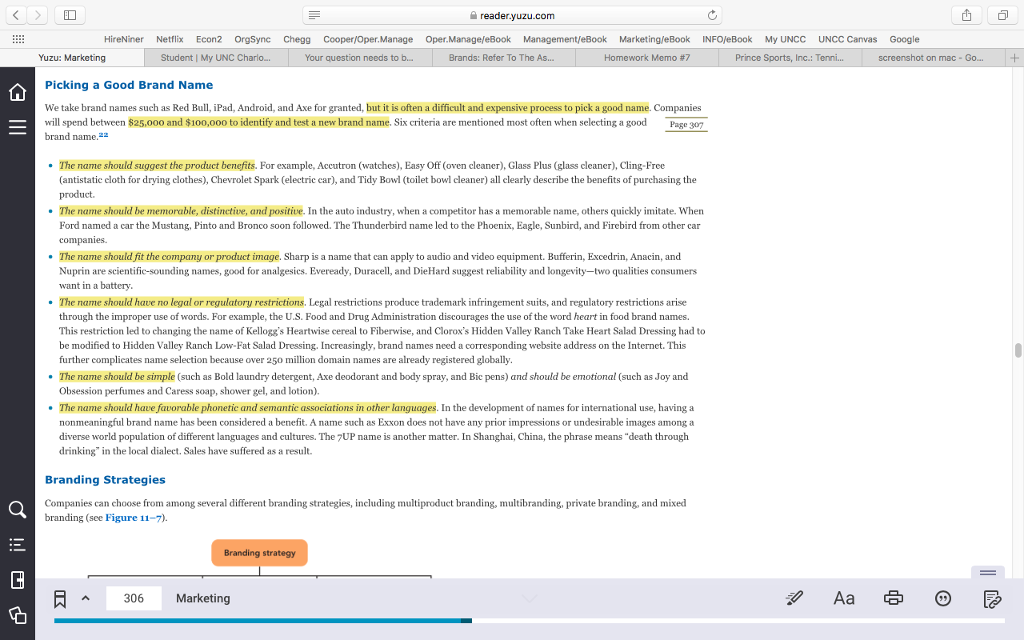
- Take a screenshot of the e-book page. In Windows 7 launch the Snipping Tool, drag the cursor to outline the page, and save the screenshot. On a Mac, hit Ctrl+CMD+4 and drag the cursor to outline the page. The screenshot will be saved to your desktop.
- Open the screenshot image file and go to File > Print. In the print dialog, be sure to uncheck any settings that will stretch the image (i.e. 'Fit to page.') Also change the ink settings to print in black (not color or grayscale). Finally, hit print.
- Repeat this process for any other pages you want to print.
If you own an iPad
If you use the iPad as your e-reader, the process is a little simpler.
- Open your e-reader app, open a book, and navigate to the page you want to print.
- Adjust the layout to display black text on a white background. (This process will vary in every app, but usually it's in the font adjustment menu.)
- Take a screenshot by holding the home button and clicking the sleep button. Do the same for any other pages you want to print.
- Go to the Camera Roll and hit the action button (the arrow in the upper-right) and tap to select all of the screenshots. When you're done, tap 'Share' in the upper-left, and select 'E-mail.' E-mail the screenshots to yourself.
- Head to a computer with printer access, open the e-mail, and download the photos. Open the screenshot image files and go to File > Print. In the print dialog, be sure to uncheck any settings that will stretch the image (i.e. 'Fit to page.') Also change the ink settings to print in black (not color or grayscale). Finally, hit print.
Printing in a pinch
Before you read on, note that this is the really, really last-resort way to get a copy of an e-book page and only applies to those who own an e-ink reader (like the Nook Simple Touch.) I wouldn't really recommend doing this if you don't have to.
- Find a copy machine.
- Grab your e-reader and navigate to the page you want to print. Adjust the font size, if you like.
- Place the e-reader face down on the copier, close the lid...and hit copy.
Really, that's it. And it totally works.
- ReviewBarnes & Noble Nook Simple Touch with GlowLight
At some fateful moment in the 13th century when Kublai Khan was preparing to lead the Mongol hordes into battle, hunger struck. With no time to make a roast or stew, the legend goes, the Great Khan’s chef carved very thin slices of raw mutton and plunged them into hot broth for a few seconds. Besides serving as an inspiration to those of us who believe there is always time to eat, the chef’s impromptu recipe is said to have given China its ancient and delicious hot pot tradition.
Hot pots did not jump to Japan until shortly after World War II, when kelp joined the broth and the name was changed, onomatopoetically, to shabu shabu. But like hot pots in China, shabu shabu is a do-it-yourself bash where everybody around the table gets to dunk and swish the ingredients they like best. Chefs are not required.
Then on Delancey Street last fall, a new shabu shabu restaurant appeared where a chef standing behind a counter does all the cooking for no more than eight people at a time. Her name is Mako Okano. Out of a style of dining that has always been a big, informal free-for-all, she has built a quiet, refined, intimate spot called Shabushabu Macoron.
Usually backed up by two other women, but occasionally working solo, Ms. Okano moves deliberately. She will gesture to the place mat, where the night’s eight or 10 courses are written out in Japanese, right to left, and then to another slip of paper with the same courses printed in English, again right to left. The price is $128. There are no choices to be made. Ms. Okano has modeled her restaurant on omakase sushi bars, where the chef calls the tune.
When I first arrived, I admit that I couldn’t see the point of having a chef do the cooking when I was perfectly able to do my own dunking and swishing. Ms. Okano quickly poured two or three mouthfuls of yeasty, warm unfiltered sake into a little saucer. This arrived with a snack — cured salmon and salmon roe seasoned with fermented rice — that artfully underscored the sake’s flavor.
Then she turned and quietly addressed a sauté pan over the stove. When she turned around again she had cooked an omelet and flicked it into a roll in the Japanese style. Served in a bowl of hot, clear dashi, the egg was as tender and delicate as its garnish, a tiny piece of mitsuba stem tied into a knot.
Next she poached two pieces of abalone for a few seconds each in abalone broth. One she dabbed with a small, intense blip of the Japanese spice paste yuzu kosho. Over the other she spooned a sauce made from the abalone’s liver. I ate them both, and was flooded first with pleasure then with embarrassment that I’d thought simmered food wasn’t worth a chef’s time.
By the time I’d eaten a small tongue of sea urchin combined with silky rags of yuba still dripping with soy milk, I was on board for anything Ms. Okano wanted to cook.
For some time the bubbles in an iron pot of dashi set over a countertop burner had been getting bigger and faster. Thin strips of Wagyu beef, streaked with so much fat they looked like stained glass, were stretched out on black slate with pinkish bands of pork belly. Raw vegetables — cabbage, lettuce, enoki and shiitake mushrooms, half a brussels sprout and a cherry tomato on a wooden spear — waited on a nearby plate.
Before I knew it she had cooked the first piece of beef — was it the A5 from Miyazaki or the A4 from Kagoshima? The flesh had twisted itself around, and now dusk-gray outer curls hid inner curves of faded pink. The flavors moved in rapid waves: first a few clinging, savory drops of dashi, then some already-melted beef fat, followed by the flavor of the lean meat itself, sweet and refined. Finally came a second helping of fat, freshly melted now.

When Ms. Okano fished out a piece of beef, she would suggest seasoning it with one or more of an almost comically large assortment of condiments and purées that she makes herself. She seemed to favor her ponzu, and so do I; it’s more radiant with yuzu than any I’ve had before. I also liked the sweet soy once I learned to doctor it with a few drops of what Ms. Okano calls “gravy sauce,” a dark liquid that makes meat taste meatier. Many dismal meals would be saved if I carried an eyedropper of gravy sauce around with me.
Swabbing the pork belly in the sticky, thick sesame paste with toasted sesame seeds produces an effect similar to, but more subtle than, the combination of peanut butter and bacon. It’s even better with a smear of salted plum, or a few drops of the yuzu-olive oil sauce that seems to have jetted in from Italy.
The vegetables were spotless and fresh. A meal without them would be off kilter, perhaps to a degree that would cause grumbling from the digestive system, but on their own they are not a reason to go to Shabushabu Macoron.
The chicken meatballs are, though. So are the green tea soba noodles that Ms. Okano somehow manages to cook in between everything else without seeming to leave the few square feet behind the counter. Soba is not standard with shabu shabu, but it is something she has experience making from her time in the kitchen at Cocoron, a soba-ya across Delancey Street. When she began talking about her dream of opening what she hoped would be the world’s first omakase shabu shabu restaurant, Cocoron’s owners listened. When she came back from a dunk-and-swish tour of Japan, they signed on as her partners.
Acrobat Reader For Mac
At times, it seems as if Ms. Okano can’t believe it all worked out. After she’d cooked me three nearly identical meals, I wondered if she’d still be as giddy a year from now. Will she be able to change the menu with the seasons to keep things interesting? Can she stash surprise ingredients below the counter for repeat customers, the way sushi chefs do?
None of these questions occurred to me the first two times I ate at her restaurant. I just sat there in something like a state of wonder while she cooked for me. This is, bizarrely, a rare experience at tasting counters, where chefs are often intent on intricacies of plating.
Free Adobe Reader For Mac
The physical setting of Shabushabu Macoron strongly suggests a shoestring budget — the paper towel roll in the restroom hangs from what may be an actual shoestring — but sitting there while Ms. Okano stands a few inches away and makes your dinner is one of the most luxurious experiences this city currently offers.
Sony Reader For Mac
Follow NYT Food on Facebook, Instagram, Twitter and Pinterest. Get regular updates from NYT Cooking, with recipe suggestions, cooking tips and shopping advice.